Stäubli Invests $10 Million to Scale Solar Connector Production in Bengaluru

The facility manufactures MC4-Evo1 and MC4-Evo2 connectors

thumbnail

Follow Mercom India on WhatsApp for exclusive updates on clean energy news and insights


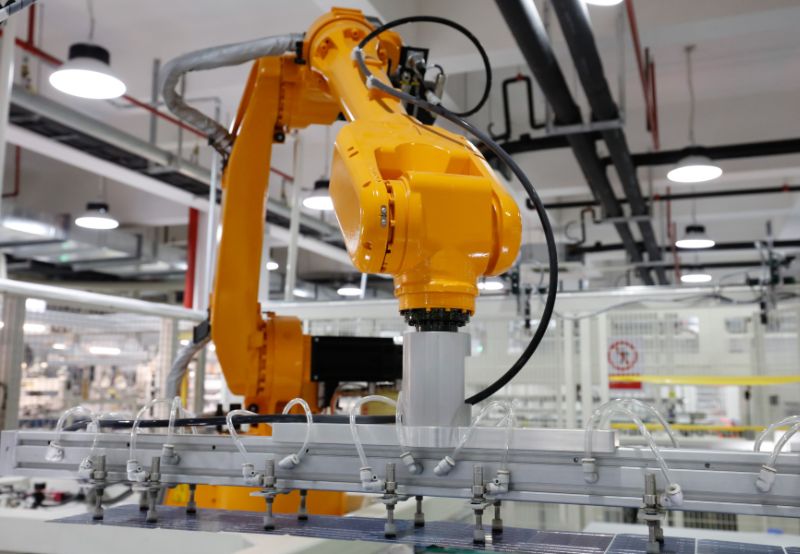
Stäubli, an industrial and mechatronics solutions provider, has announced a $10 million expansion of its manufacturing facility in Bengaluru, Karnataka. The expanded facility will house assembly lines for manufacturing connectors that link solar modules to inverters.

The facility is dedicated to the manufacture of MC4-Evo1 and MC4-Evo2 connectors.

These connectors are key balance-of-system components that link solar modules to inverters and other equipment, playing a critical role in the reliability and performance of solar installations.

The expansion includes a local vendor development initiative to strengthen backward integration and enhance India’s renewable energy manufacturing ecosystem.

Stäubli’s solar connectors are widely deployed in utility-scale solar projects across Europe, including projects located in high-altitude and extreme-climate environments.

Among the projects supported by Stäubli is a major solar park in Greece that contributes to both the energy transition and regional redevelopment. The project comprises around 500,000 bifacial solar modules with an installed capacity of 204.3 MW and an annual electricity generation of approximately 230 GWh.

In Switzerland, Stäubli connectors have been used in Alpine solar installations mounted on dam walls at altitudes ranging from 1,800 to 2,500 meters. These projects generate around 600 MWh annually.

Around 85% of the company’s production units are equipped with on-site solar photovoltaic systems, which are used either for internal electricity consumption or for sharing surplus power with other organizations.

For facilities where solar installations are not feasible, the company has shifted to 100% green electricity procurement through specialized suppliers, ensuring renewable electricity sourcing across operations.

India is prioritizing the development of a resilient domestic supply chain for balance-of-system components to reduce import dependence and improve the reliability of solar installations.

Manufacturers have highlighted the lack of government support for balance-of-system components in India. While solar module manufacturing has grown substantially with government incentives, they say BoS manufacturing needs similar support.

RELATED POSTS

Get the most relevant India solar and clean energy news.

RECENT POSTS