Uttar Pradesh Commission Adopts Tariff for a 1,500 MWh BESS Project

The State regulator also agreed to the trading margin of ₹0.007/kWh

thumbnail

Follow Mercom India on WhatsApp for exclusive updates on clean energy news and insights


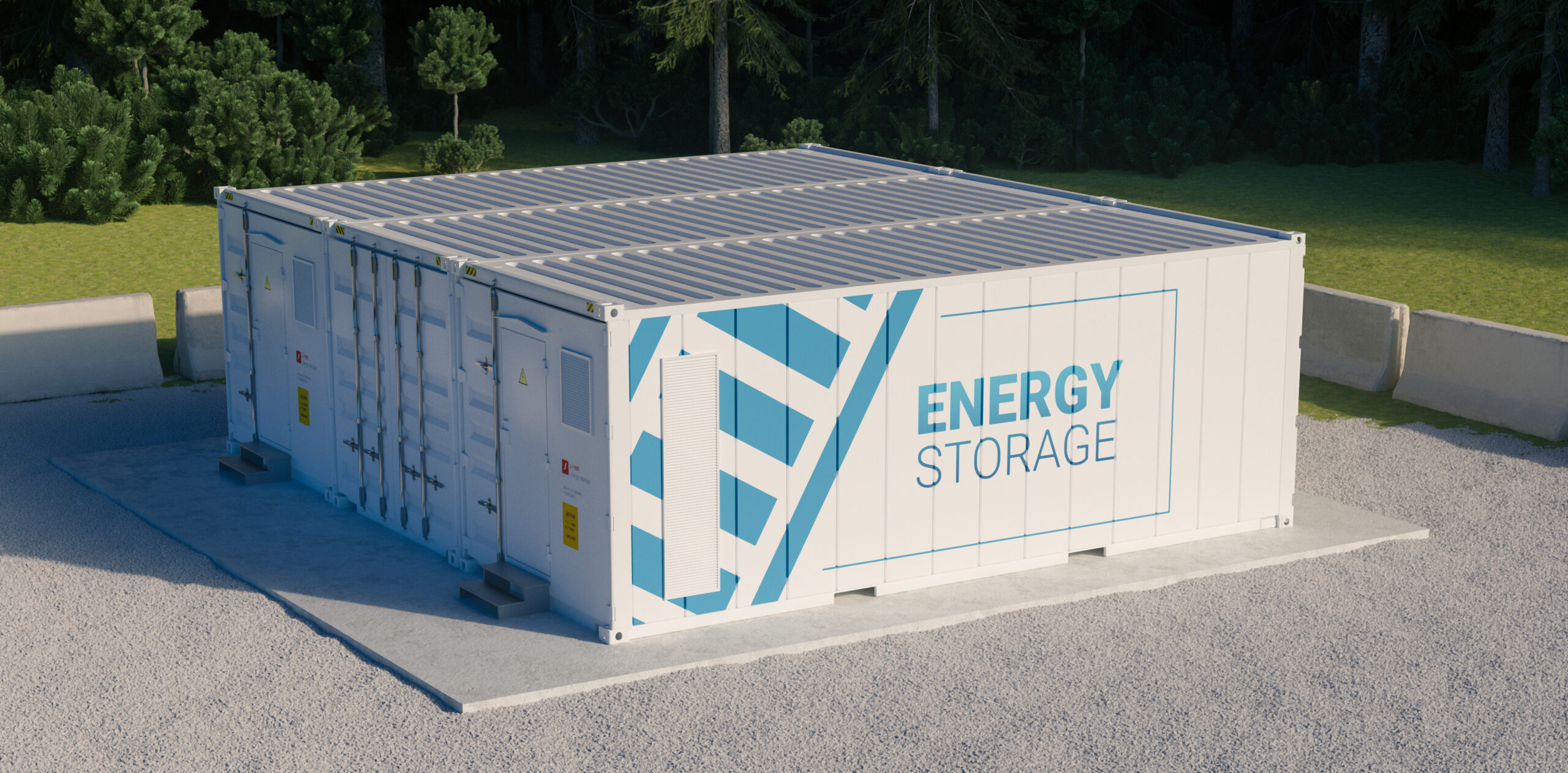
The Uttar Pradesh Electricity Regulatory Commission (UPERC) has adopted a tariff determined through competitive bidding for a 375 MW/1,500 MWh standalone Battery Energy Storage System (BESS) to be set up in Uttar Pradesh under the Viability Gap Funding (VGF) program.

The Commission also approved a trading margin of ₹0.07 (~$0.0007)/kWh payable to SJVN, the intermediary procurer and bid implementing agency for the project.

The Commission held that the tariff discovery process was conducted in accordance with the Ministry of Power’s guidelines and Section 63 of the Electricity Act, 2003.

It approved the Battery Energy Storage Sale Agreement (BESSA) executed between SJVN and UP Power Corporation (UPPCL) for a 15-year term.

The Commission directed all parties to ensure the timely completion of the project so that UPPCL can effectively use the storage capacity for peak load management.

Background

SJVN filed the petition seeking the adoption of a tariff discovered through a tariff-based competitive bidding (TBCB) process for procuring BESS capacity for UPPCL.

The project involves setting up a standalone BESS facility near the 400 kV / 220 kV Garautha substation in Jhansi, with 100% of the contracted capacity to be supplied to UPPCL on a back-to-back basis.

The bidding process attracted 21 bidders, offering a cumulative capacity of 3,395 MW/13,580 MWh.After technical evaluation, 19 bidders were found technically qualified, following which financial bids and an e-reverse auction were conducted.

Ultimately, Patel Infrastructure and Enerica Infra 3 emerged as successful bidders, each awarded 187.5 MW/750 MWh, with quoted tariffs of ₹359,000 (~$3,923)/MW per month and ₹359,999 (~$3,934)/MW per month, respectively.

A key issue examined by the Commission was the ₹0.07 (~$0.0007)/kWh trading margin agreed between SJVN and UPPCL. UPPCL initially sought clarification on whether the margin should be expressed as 0.5% of the tariff or as ₹0.07 (~$0.0007)/kWh.

SJVN argued that ₹0.07 (~$0.0007)/kWh was consistent with the Ministry of Power’s BESS guidelines and was already being adopted by other government agencies. UPPCL ultimately agreed to the margin, citing tight timelines under the VGF program and the project’s strategic importance in meeting peak demand.

Commission’s Analysis

The Commission concluded that the bidding process was transparent, competitive, and compliant with the Ministry of Power’s guidelines.

Regarding trading margin, the Commission observed that the BESS guidelines permit a margin of either 0.5% of capacity charges or ₹0.07 (~$0.0007)/kWh, and that the trading margin approved in this case fell squarely within the permissible framework.

It also relied on the Central Electricity Regulatory Commission’s trading licence regulations, which allow mutually agreed trading margins in long-term contracts.

UPERC referred to its earlier order approving UPPCL’s procurement of the same BESS capacity, noting that the project would support renewable energy integration, reduce transmission congestion, and help manage peak demand within the state.

Based on these findings, the Commission formally adopted the discovered tariff and approved the trading margin.

Earlier, UPERC had approved a tariff of ₹3.84 (~$0.044)/kWh for the procurement of 300 MW wind-solar hybrid power by Noida Power Company. Subscribe to

Mercom’s real-time Regulatory Updates to ensure you don’t miss any critical updates from the renewable industry.

RELATED POSTS

Get the most relevant India solar and clean energy news.

RECENT POSTS