


MENA Weekly Roundup: Egypt Plans to Add 3 GW of Solar Power in 2026
Here are some noteworthy cleantech news and announcements from around the Middle East and North Africa region this week
February 17, 2026

Follow Mercom India on WhatsApp for exclusive updates on clean energy news and insights
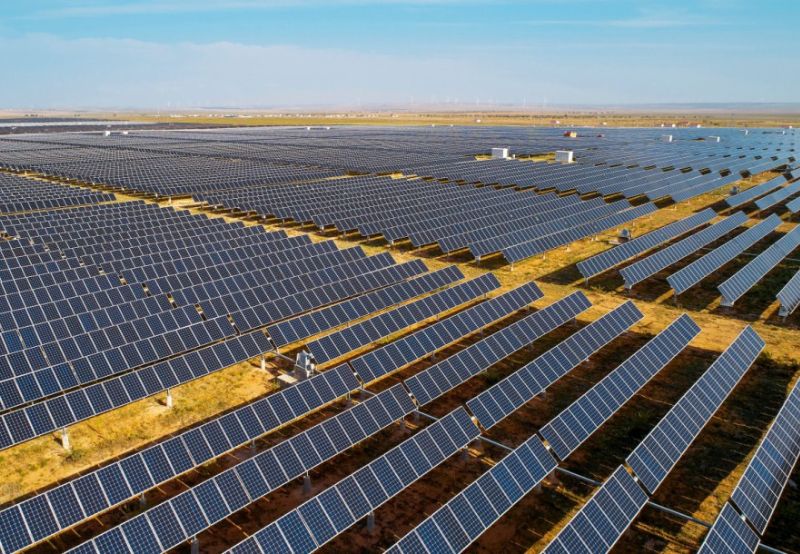
Egypt announced plans to meet its high power demand in summer by adding 3 GW of solar energy to the grid in 2026. The plan also involves adding 600 MW of battery energy storage system (BESS) capacity before the onset of summer. The addition of the BESS capacity will raise the country’s on-grid storage capacity to 1.1 GW. Egypt estimates a 6% to 7% increase in power demand during the summer months. These plans align with the country’s target to achieve a minimum of 42% renewable energy share in its power mix by 2030.


Where clean energy's most influential leaders get their intelligence
Exclusive reporting, market intelligence, and insider access that shapes billion-dollar decisions in renewable energy and clean technology.
Already have an account? Sign In


Melvin Mathew
More articles from Melvin Mathew.