Dispatchable Power Key to Support Industrialization: Economic Survey
Climate policy should not be seen in isolation, but in line with growth
January 29, 2026
Follow Mercom India on WhatsApp for exclusive updates on clean energy news and insights
India must approach the coming decade not as a climate policy problem in isolation, but as a broader energy system strategy that sequences the transition in line with growth, security, and institutional preparedness, according to the Economic Survey 2025-26 tabled in Parliament by Finance Minister Nirmala Sitharaman.
Renewable energy will play a major and growing role in sustained growth and living standards. However, capacity additions alone do not automatically translate into a dependable supply, particularly at non-solar peak times or during periods of high variability.
“As renewable penetration rises, the cost of maintaining dispatchable thermal capacity increases, even as utilization declines, while grid stability challenges intensify,” the Economic Survey said.
India must maintain sufficient dispatchable power capacity to support industrialization and social development, even as renewables scale. The document highlighted the need to strengthen transmission and distribution; invest in storage and grid-management technologies; and restore emphasis on hydro and nuclear as long-horizon anchors for low-carbon development.
While India’s renewable energy sector continues to grow rapidly, challenges such as high project costs, delays in land acquisition, and limited grid capacity need to be addressed. The survey suggests that innovative financing solutions and efficient project execution can help overcome these hurdles.
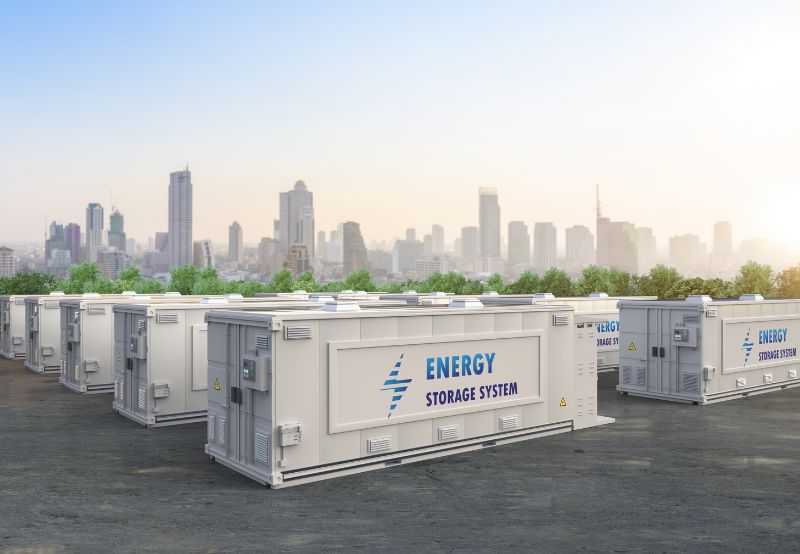
Large-scale adoption of technologies like battery energy storage systems and pumped hydro storage can stabilize the grid, manage peak electricity demand, and make renewable energy supply more reliable.
The Economic Survey said the lesson for India is to articulate a pathway that protects growth, builds resilience, and preserves strategic flexibility, while remaining committed to responsible climate action on terms that are technologically feasible, developmentally coherent, and compatible with the country’s economic aspirations.
The Survey noted that global capital is abundant, but it does not flow at scale to developing countries due to structural features of the international financial system and risk perceptions, resulting in a high cost of capital. It called for reforms in multilateral development banks, wider use of risk-sharing and blended finance instruments, recalibration of credit rating practices, and more predictable concessional finance flows.
In recent years, India has made significant progress in enhancing its financial ecosystem through regulatory reforms. The country has streamlined its financial markets, introduced innovative sustainable finance instruments, and issued sovereign green bonds that have backed public sector initiatives focused on environmentally friendly projects.
The government estimates that approximately ₹30 trillion (~$344 billion) of investments covering infrastructure, transmission, and energy storage systems would be needed to achieve the 2030 clean energy target.
The Survey also called for exploring the creation of a national climate finance platform, backed by predictable international funding, to develop climate projects, improve their bankability, and support both mitigation and adaptation efforts, while balancing climate goals with the need for energy security.