

IRENA Calls for Tariff Cuts on Renewables After Middle East Oil Shock
It also suggests integrating storage solutions with existing renewable projects
April 23, 2026

Follow Mercom India on WhatsApp for exclusive updates on clean energy news and insights
Amid global disruptions in fuel markets caused by the ongoing war in the Middle East, the International Renewable Energy Agency (IRENA) has proposed removing or reducing tariff and non-tariff barriers on imported renewable energy equipment for the short term.
IRENA has proposed several short-term (0-6 months), medium-term (6-12 months), and long-term (1-3 years) solutions for policymakers to ensure resilience from future fossil fuel shocks.
Short Term
IRENA has proposed deploying distributed renewable energy solutions to support essential public services with cross-sector partnerships to enable rapid implementation. It also urged policymakers to provide necessary financial and logistical support for such projects.
It emphasized accelerating the deployment of solar photovoltaic battery hybrid mini-grids in off-grid and weak-grid areas to reduce dependence on diesel and mitigate risks from fuel price volatility and supply disruptions.
The measures also include public awareness campaigns and regulatory actions to reduce energy demand, particularly during peak hours, and to promote efficient electricity use.
The agency recommended fast-tracking the adoption of time-of-use tariffs to encourage consumers to shift electricity consumption to periods of high renewable generation and lower prices.
The proposal also includes implementing fiscal measures such as grants, subsidies, and tax incentives to support electrification across sectors.
IRENA called for accelerating the electrification of two- and three-wheelers in emerging economies, promoting public transport electrification, particularly buses, through financial support, and encouraging carpooling. The framework also urges a shift from private to public transport in urban areas.
Medium Term
Under the medium-term measures, IRENA has asked policymakers to fast-track ongoing renewable energy and grid infrastructure projects while ensuring that pipeline projects remain adequately funded. The recommended medium-term measures entail reviewing existing policy frameworks and financial instruments to ensure they remain effective amid inflation or rising supply chain costs, and adapting them as necessary.
It also emphasized incentivizing battery energy storage, demand-side management, and demand-side participation to improve system flexibility and enable greater integration of solar and wind power.
The measures highlight the need to deploy grid enhancement technologies to address near-term grid constraints and facilitate the integration of additional renewable capacity and electrified demand.
Among the recommended measures are promoting the adoption of renewable-energy-based heating solutions, including biogas and biomethane from waste and residues, residential heat pumps, and solar water heaters, and prioritizing district heating systems.
IRENA called for scaling up battery storage deployment in off-grid electrification programs to improve system resilience and reduce long-term costs.
In the transport sector, it recommended streamlining permitting processes for electric vehicle charging infrastructure and complementing financial incentives with non-financial measures, such as low-emission zones and speed limits.
Long Term
Under the long-term strategy, IRENA suggested that policymakers establish clear, comprehensive, and supportive policy frameworks to attract investment in the energy transition, while ensuring alignment with broader national strategies and plans.
The framework called for integrating electrification planning for energy access into national energy frameworks, with a focus on assessing fossil fuel price risks and oil dependency in remote communities.
It said domestic and regional supply chains must be developed across renewable energy, energy storage, and grid infrastructure.
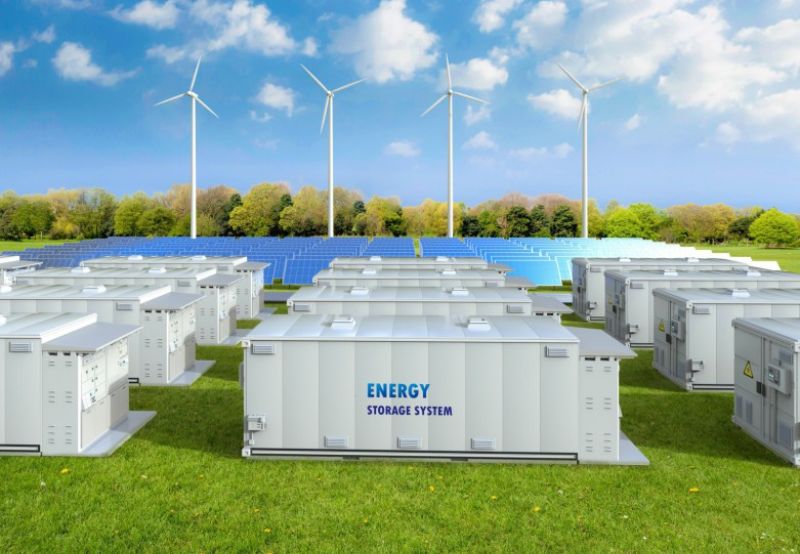
It also encourages the hybridization of projects by integrating energy storage with existing renewable installations or industrial connections, while streamlining permitting processes to reduce grid connection delays.
Under the framework, policymakers must support electrification across industrial sectors, including low- to medium-temperature heating through heat pumps or electric boilers, steel production through electric arc furnaces, and process electrification in the chemicals industry.
It calls for the development of targeted financing mechanisms for renewable-based mini-grids with battery storage, particularly in regions that are highly dependent on fuel imports or landlocked regions where exposure to fuel price shocks is highest. It also promotes linking financial and subsidy support for the fossil fuel sector to the achievement of renewable energy targets.
According to IRENA, the rise of renewables has reduced the need for fossil fuel imports in many countries. In 2025, 692 GW of renewable energy capacity was added worldwide, bringing the total share of renewables in installed power capacity to 49.4%.
It highlighted that all newly commissioned utility-scale renewable capacity delivers power at a lower levelized cost of electricity than the cheapest newly installed fossil-fuel-based alternative.
In China, oil and gas account for only 4% of the power mix, comprising ~60% coal, 30% renewables, and the remainder from nuclear.
India’s share of renewables in electricity generation has also increased to 20.2% in 2025 from 14.2% in 2016. Expanding rooftop solar can play an important role in reducing India’s dependence on imported LNG for power generation. As rooftop adoption scales across residential, commercial, and industrial consumers, it can meaningfully reduce reliance on fuel imports while improving energy security.
According to Mercom India’s Q4 and Annual 2025 India Solar Market Update Report, India recorded its highest-ever annual solar capacity addition in the calendar year 2025, installing 36.6 GW, a 43% increase over the 25.6 GW added in 2024.


Melvin Mathew
More articles from Melvin Mathew.