Mercom Insider

India Restricts Silver Bar Imports, Solar Manufacturers May Face Cost Pressure

The move could add procurement uncertainty for solar cell and module manufacturers

thumbnail

Follow Mercom India on WhatsApp for exclusive updates on clean energy news and insights


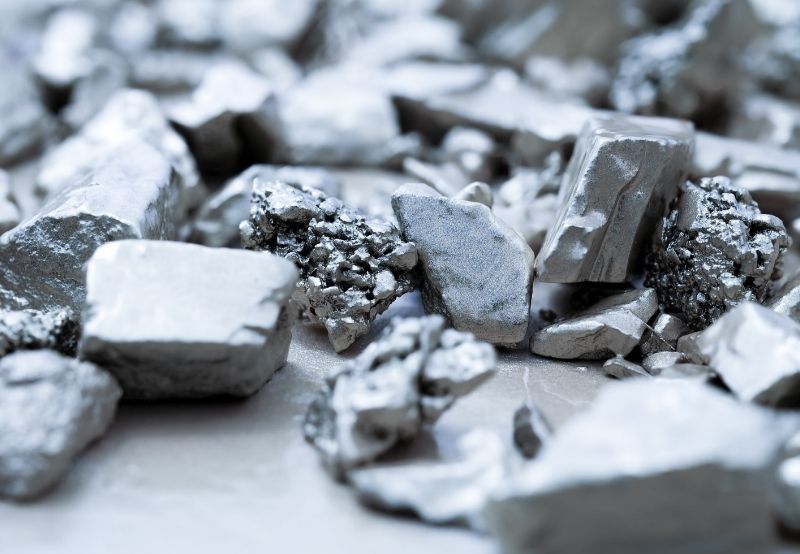
The Directorate General of Foreign Trade has amended the import policy for certain silver bars, moving them from the Free category to Restricted with immediate effect.

The policy change may have implications for India’s solar manufacturing supply chain, where silver remains a critical input in photovoltaic cell production. Silver is used in silver paste for cell metallization, helping collect and conduct electricity generated by solar cells.

The amendment applies to silver bars under ITC (HS) codes 71069221 and 71069229. These cover bars containing 99.9% or more silver by weight and other semi-manufactured silver bars. Imports under both codes are now subject to Policy Condition No. 7 of Chapter 71 of ITC (HS) 2022, Schedule I.

Before the amendment, imports of the covered silver bars were allowed freely, subject to Reserve Bank of India regulations. The revised policy places them under the restricted category, requiring importers to comply with the conditions prescribed under Chapter 71.

Mercom had earlier reported that demand for silver has been rising as India ramps up solar cell production, with the shift from p-type to n-type high-efficiency cells increasing demand for silver paste. Any tightening in access to silver inputs could add compliance requirements, extend procurement timelines, or raise input costs for domestic cell manufacturers.

The amendment comes at a time when silver prices have already become a concern for solar manufacturers. Mercom recently reported that a temporary crash in silver prices offered relief to the solar sector after a prolonged rally. The report noted that silver is vital to solar cell production and that industry estimates suggested silver accounted for more than a quarter of solar module manufacturing costs in some cases.

If import restrictions tighten supply or increase compliance costs for silver bars used in the domestic solar supply chain, solar cell and module manufacturers could face margin pressure. The extent of the impact will depend on whether manufacturers source silver paste directly, rely on imported silver bars through domestic processors, or use alternative procurement channels.

India’s expanding solar manufacturing base makes silver procurement increasingly important. Mercom Research had reported that India added nearly 119 GW of solar module and over 9 GW of solar cell capacity in 2025, driven by demand from the solar project pipeline and the imposition of the Approved List of Models and Manufacturers order for solar cells and modules.

Higher silver costs have also pushed research into reducing silver use in solar cells. Germany’s Fraunhofer Institute for Solar Energy Systems produced silicon heterojunction solar cells with silver consumption of 1.4 mg per watt peak, about one-tenth of the industrial production standard. The researchers reduced silver use on the front side and replaced silver with copper paste on the rear side.

For solar manufacturers, the latest import policy change could add another variable to an already sensitive cost structure. Silver price movements have a direct bearing on cell and module economics, especially as India scales domestic cell capacity and moves toward higher-efficiency technologies.

RELATED POSTS

Get the most relevant India solar and clean energy news.

RECENT POSTS