Exicom Commissions EV Charger Manufacturing Plant in Hyderabad
The facility was developed with an investment of ₹2.16 billion
March 17, 2026
Follow Mercom India on WhatsApp for exclusive updates on clean energy news and insights
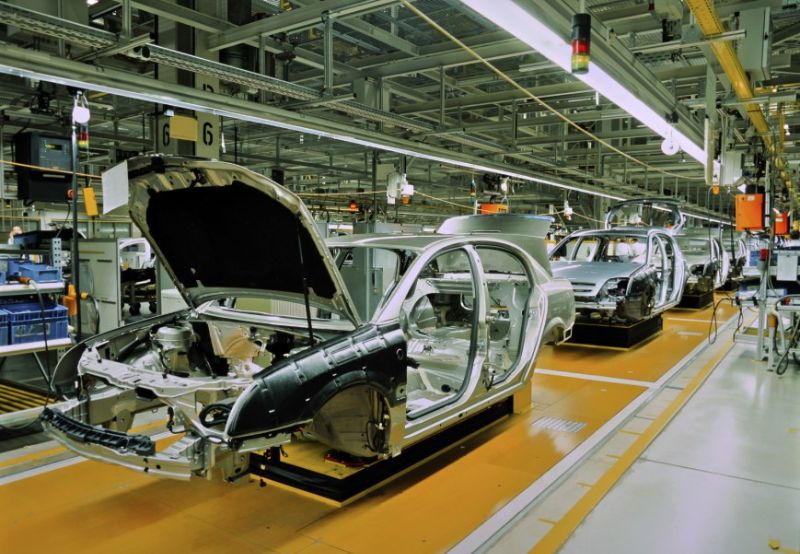
Gurugram-headquartered electric vehicle (EV) charger manufacturer, Exicom Tele-systems (Exicom), has commissioned an integrated manufacturing facility in Hyderabad to expand its EV charging and critical power solutions.
The facility was built with an investment of ₹2.16 billion (~$23.38 million).
Exicom said the facility utilizes advanced automation, robotics, and digital traceability to ensure precise manufacturing at scale. It also features a specialized testing infrastructure to validate performance under demanding real-world conditions.
The company plans to set up an EV charger interoperability testing center to guarantee seamless compatibility among EV chargers across different vehicles.
The Hyderabad facility will also manufacture Australia-based DC fast charger manufacturer Tritium’s TRI-FLEX liquid-cooled power modules.
In 2024, Exicom announced its plans to acquire Tritium.
The EV components manufacturing plant features a 1 MW rooftop solar system that offsets a significant part of its energy consumption.
Exicom has a presence in markets across India, Southeast Asia, the Middle East, the U.S, and Europe, and has sold over 1,33,000 chargers worldwide.
Last July, the Ministry of Heavy Industries amended the Phased Manufacturing Programme for the EV public charging stations component of the PM Electric Drive Revolution in Innovative Vehicle Enhancement program (PM E-DRIVE).
It also issued operational guidelines for deploying EV public charging stations under PM E-DRIVE. Subsidies will be provided for EV public charging and battery-swapping stations.
In the same year, MHI mandated a 100% domestic content requirement for 18 EV components under the two-wheeler, three-wheeler, and e-buses segments to avail subsidy under the PM E-Drive program.
In 2024, MHI launched PM E-DRIVE with a total outlay of ₹109 billion (~$1.29 billion), focusing on providing demand incentives, deploying EVs, and developing charging infrastructure to support wider EV adoption.